|
When temperatures drop and storms become unpredictable, having a winter emergency kit in your vehicle is one of the smartest preparations you can make. Even short drives can turn into long delays, and a well-equipped trunk can keep you warm, safe, and comfortable until help arrives. Here’s a practical, streamlined guide to building the most effective kit possible.
Warmth and Personal Protection
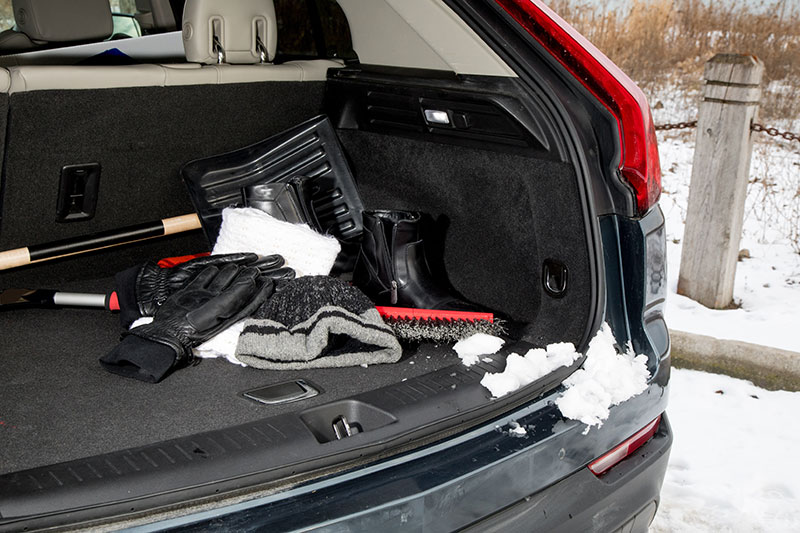
Staying warm is the top priority if you become stranded. Pack thermal blankets or mylar emergency blankets, which reflect body heat and take up almost no space. A cold-rated sleeping bag adds another layer of protection for extended waits. Include insulated gloves, a toque, and a neck warmer in a sealed bag to keep them dry. Hand and foot warmers provide hours of heat and weigh almost nothing. Extra clothing layers made of fleece or moisture-wicking synthetics stay warm even if damp.
Vehicle Traction and Recovery Tools
Getting stuck in deep snow is common in winter. Traction mats or recovery boards give your tires something solid to grip. Keep a small bag of sand, salt, or kitty litter to improve friction on ice. A collapsible shovel helps clear snow from around tires and the exhaust pipe. A tow strap rated for at least twice your vehicle’s weight is useful if another driver can assist. Make sure your vehicle has proper tow hooks before using it. Don’t forget an ice scraper and a sturdy snow brush for visibility.
Power and Electronics
Cold weather drains batteries quickly, so reliable power backups are essential. A portable lithium jump pack with around 1,000 peak amps can start most engines. A USB charger and 12-volt adapter keep devices powered for navigation or calling for assistance. LED flashlights and headlamps are bright, efficient, and long-lasting; pack extra batteries in a sealed bag.
Safety and Emergency Signalling
Visibility is crucial in poor weather. LED warning triangles or emergency beacons alert other drivers that you’re stopped ahead. A reflective vest helps you stay visible if you need to exit your vehicle. A first aid kit stocked with bandages, antiseptic wipes, gloves, and basic tools is a must for dealing with small injuries while you wait.
Food, Water, and Comfort Items
If a delay stretches into hours, staying nourished and hydrated helps you stay warm and alert. Pack non-perishable snacks like energy bars, nuts, or dried fruit. Store bottled water on its side to prevent cracking if it freezes. For planned winter trips, filling a thermos with a hot drink adds comfort and warmth.
Essential Fluids and Vehicle Supplies
A few extra fluids can solve minor issues without requiring roadside assistance. Keep a jug of winter-rated washer fluid, a litre of the correct engine oil, and a small container of pre-mixed coolant. A compact toolkit with pliers, screwdrivers, wrenches, and a multi-tool covers basic repairs. Include tape and a bit of automotive wire for temporary fixes.
Organising Your Emergency Kit
Store everything in a weather-resistant bin to keep items dry and easy to access. Heavier items should be placed close to the seatbacks to prevent shifting. Use cargo nets or dividers in SUVs or hatchbacks. Replace expired items yearly and test electronic gear before winter begins.
Be Prepared Before Winter Starts
A winter emergency kit provides peace of mind, but pairing it with a winter maintenance inspection ensures your vehicle is truly ready. Tires, brakes, heating systems, batteries, and fluids all matter when the cold hits. A pre-season visit to the service department can prevent many winter breakdowns before they happen.
If you want to make sure your vehicle is fully prepared for winter conditions, click the button below to book a service appointment.
|