|
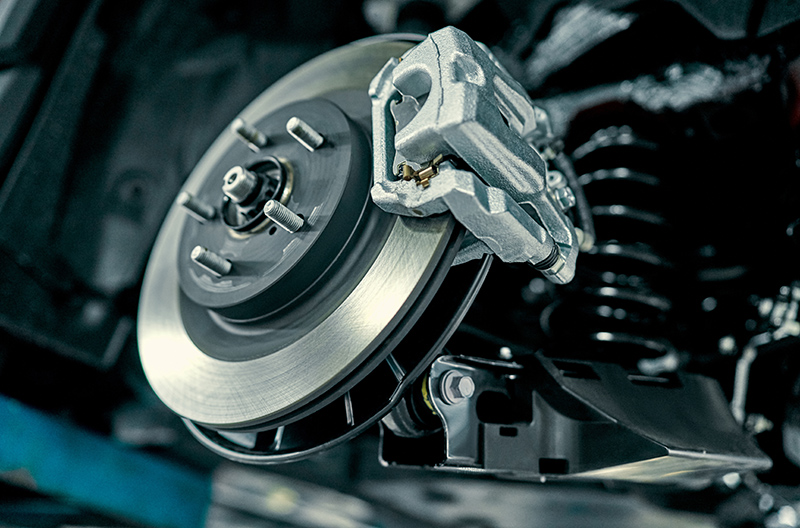
Brakes are one of the most critical safety systems on your vehicle, yet many drivers don’t think about them until something feels wrong. One of the most important conditions to understand is brake fade. It can happen gradually or suddenly, and when it does, it reduces your vehicle’s ability to slow down effectively. Knowing what brake fade is, why it happens, and how to prevent it can make a meaningful difference in both safety and long-term vehicle performance.
What Is Brake Fade
Brake fade occurs when your braking system loses effectiveness due to excessive heat. Under normal operation, your brakes convert kinetic energy into heat through friction between the brake pads and rotors. This heat is expected and managed by the system. However, when temperatures rise beyond what the components are designed to handle, braking performance begins to decline.
There are a few types of brake fade. The most common is friction fade, where the brake pads overheat and lose their ability to grip the rotor effectively. Another form is fluid fade, which happens when brake fluid reaches its boiling point and creates vapour bubbles in the hydraulic system. Because vapour compresses more easily than liquid, this results in a soft or spongy brake pedal and reduced stopping power.
In more extreme cases, especially during prolonged heavy braking, you may also experience mechanical fade, where components like rotors become so hot that they temporarily lose structural effectiveness.
How Heat Builds Up in the Braking System
Every time you apply the brakes, heat is generated. Under normal driving conditions, this heat dissipates quickly through airflow and the design of the braking components. Ventilated rotors, for example, are designed with internal channels that help move air through the rotor to cool it down.
Problems arise when braking is frequent, prolonged, or aggressive. Driving down long hills, towing heavy loads, or repeated hard stops can overwhelm the system’s ability to shed heat. As temperatures climb, brake pads can begin to outgas, creating a thin layer between the pad and rotor that reduces friction. At the same time, brake fluid temperatures may rise to the point where boiling becomes a risk.
Modern braking systems are engineered to handle significant stress, but they still have limits. Once those limits are exceeded, performance drops off quickly.
Signs That Brake Fade Is Occurring
Brake fade doesn’t always happen without warning. In many cases, there are early signs that drivers can recognize if they know what to look for.
One of the most noticeable indicators is a reduction in stopping power. You may find that you need to press the brake pedal harder or further to achieve the same level of deceleration. In the case of fluid fade, the pedal may feel soft or spongy.
You might also notice a burning smell coming from the brakes, especially after heavy use. In some situations, the brakes may begin to feel inconsistent, with performance changing from one stop to the next.
These symptoms should never be ignored, as they indicate that your braking system is under stress and not performing at its full capability.
Why Brake Fade Matters for Safety
Brake fade directly affects your ability to control your vehicle, particularly in situations where consistent stopping power is critical. During emergency braking or when descending steep grades, reduced brake performance can significantly increase stopping distances.
Even a small increase in stopping distance can make a difference in avoiding a collision. Maintaining full braking performance ensures that your vehicle responds predictably and safely under all conditions.
In addition to safety concerns, repeated exposure to high temperatures can permanently damage brake components, leading to reduced effectiveness even after the system has cooled.
Driving Habits That Help Prevent Brake Fade
One of the most effective ways to prevent brake fade is through proper driving technique. Instead of relying heavily on the brakes, especially on long descents, use engine braking by shifting to a lower gear. This helps reduce the load on the braking system and limits heat buildup.
Avoid riding the brakes, which keeps them engaged continuously and prevents them from cooling. Instead, apply the brakes firmly and then release them to allow airflow to dissipate heat.
Maintaining a safe following distance also helps reduce the need for sudden or aggressive braking, keeping temperatures under control during everyday driving.
The Role of Brake Components and Maintenance
Brake fade prevention is not just about driving habits. The condition and quality of your braking components play a major role as well.
Brake pads are available in different materials, each with its own heat tolerance. Higher-quality pads are designed to maintain consistent friction at elevated temperatures, making them more resistant to fade. Similarly, high-performance brake fluids have higher boiling points, reducing the risk of fluid fade under demanding conditions.
Regular maintenance is essential. Over time, brake fluid absorbs moisture, which lowers its boiling point and increases the likelihood of vapour formation. Replacing brake fluid at recommended intervals helps maintain system integrity.
Rotors should also be inspected for wear, warping, or heat damage. Uneven or worn rotors can contribute to inconsistent braking and reduced heat dissipation.
When to Have Your Brakes Inspected
If you have experienced any symptoms of brake fade or frequently drive in conditions that place extra stress on your braking system, it is a good idea to have your brakes inspected.
Routine brake inspections can identify early signs of wear, fluid degradation, or component stress before they develop into more serious issues. This ensures your braking system remains reliable and capable of handling demanding situations.
Keeping Your Braking System Performing at Its Best
Brake fade is a condition that can affect any vehicle under the right circumstances, but it is largely preventable with the right combination of driving habits and maintenance. By understanding how your braking system works and what causes it to lose effectiveness, you can take steps to keep it performing at its best.
A well-maintained braking system not only improves safety but also provides confidence every time you drive. If you want to ensure your brakes are ready for whatever the road brings, click the button below to book a service appointment.
|