|
Long winter drives can be incredibly rewarding, but they also bring unique challenges that require careful preparation. Cold temperatures, reduced daylight, icy roads, and unexpected storms all place extra stress on your vehicle. Before you head out on a long trip, doing a detailed inspection is one of the best ways to stay safe and avoid breakdowns. This guide focuses on the key systems that deserve attention before you leave town, including tires, fluids, belts, hoses, and more.
Start With a Thorough Tire Inspection
Your tires are the single most important safety feature on winter roads. Begin by confirming that your vehicle is equipped with proper winter tires. Winter rubber stays flexible in low temperatures and provides a level of grip that all season tires simply cannot match. Inspect your tread depth and aim for at least 4.8 millimetres. Deeper tread improves traction on slush and loose snow.
Check for uneven wear, bulges, cracking, or exposed cords. These issues can worsen quickly on long trips, especially when temperatures fluctuate between freezing and thawing. Confirm that your tire pressure matches the specification on the driver doorjamb. Air contracts in the cold, so pressure often drops several PSI during winter. Low pressure increases braking distance and reduces stability. It also increases fuel consumption because the rolling resistance goes up.
Do not forget the spare tire. Ensure it is inflated, and check the condition of the jack and lug wrench so they are ready if you need them.
Inspect and Top Up All Essential Fluids
Cold weather places extra demands on your vehicle fluids. Begin with the engine oil. If your next oil change is due soon, schedule it before the trip. Many vehicles require synthetic oil during winter because it flows more easily in cold temperatures, helping with cold starts and reducing engine wear. Check the oil level on the dipstick and look for dark or gritty oil that may indicate contamination.
Coolant is equally important. Your coolant should be a proper mixture that prevents freezing well below seasonal temperatures. A correct mixture protects the engine, water pump, and heater core. If the coolant looks rusty, sludgy, or low, have it inspected.
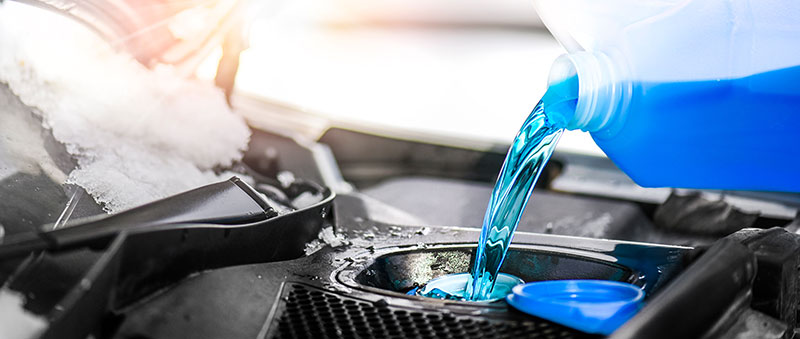
Washer fluid must be a winter formula rated for at least minus 30 degrees Celsius. Winter roads can cover your windshield in salt spray within minutes, and if the washer fluid freezes, you lose the ability to clear your view. Fill the reservoir completely and consider keeping a spare jug in the trunk.
Brake fluid should be at the correct level and appear clear or slightly amber. A low level may indicate worn brake pads or leaks. If the brake pedal feels soft or spongy, have the system checked immediately.
Belts, Hoses, and Battery Performance
Belts and hoses are vulnerable during winter because rubber becomes stiff and brittle. Inspect visible belts for cracking, fraying, glazing, or looseness. The serpentine belt is especially important because it drives the alternator, water pump, power steering pump, and other critical components.
Check radiator hoses for swelling, soft spots, or leaks. If a hose collapses easily when squeezed, it may be failing.
Battery performance drops sharply in cold temperatures, and a weak battery that works fine during mild weather may fail during a cold snap. Have the battery tested for cold cranking performance. Clean corrosion from the terminals and ensure the cables fit tightly. If your battery is three to five years old, consider replacing it before a long winter trip.
Heating, Defrosting, and Wiper Systems
Your heating and defrosting systems are essential for visibility. Check that warm air flows from the defroster vents and that the windshield clears evenly. Weak airflow can indicate a clogged cabin filter or HVAC issues.
Inspect your wiper blades. Winter blades have a rubber shell that prevents ice buildup and helps them maintain contact with the windshield. Replace any blades that streak, skip, or leave patches behind. Clean the washer nozzles to keep them from clogging.
Lights, Brakes, and Undercarriage Protection
Visibility and stopping power matter more during winter than any other season. Confirm that all exterior lights are working and that headlight lenses are clean and clear. Cloudy lenses can reduce visibility at night.
Have the braking system inspected for pad thickness, rotor wear, and caliper performance. Corrosion can build up faster during winter, and long trips can accelerate problems.
Inspect the undercarriage for rust, loose shielding, and weakened brake lines. Winter road conditions can expose problems that were not noticeable during warmer months.
Pack an Emergency Kit
Even a perfectly maintained vehicle benefits from a well prepared winter emergency kit. Pack traction aids, a compact shovel, booster cables or a jump pack, an ice scraper, extra washer fluid, blankets, food, and bottled water. Include a small toolkit and a portable air compressor for low tire pressure. A well organized kit adds peace of mind during long trips.
Perform a Final Walkaround Before Leaving
Before you head out, let the vehicle warm briefly to circulate fluids. Perform a walkaround inspection to confirm that the tires look even, lights work, mirrors are clear, and all doors open smoothly. Program your route before driving and keep a paper map as backup.
Preparing your vehicle properly makes winter travel safer and more enjoyable. If you would like a professional winter inspection before your next trip, click the button below to book a service appointment.
|