|
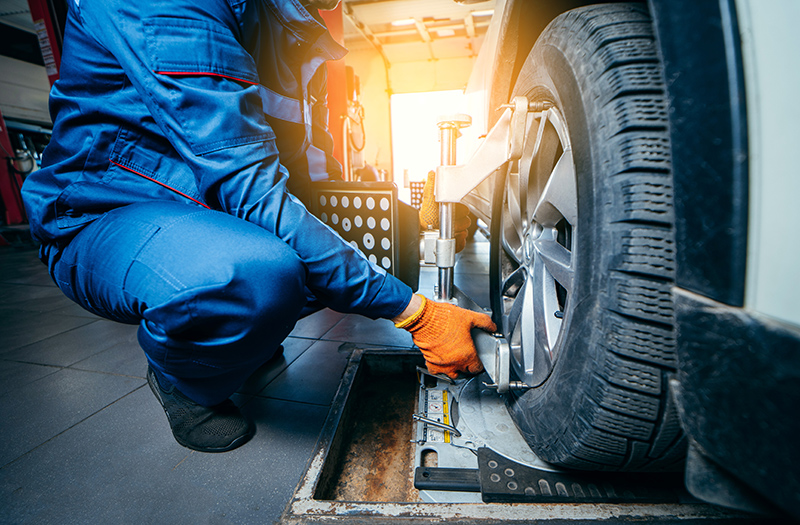
Wheel alignment is one of those services that many drivers overlook until something feels off, but it plays a major role in how your vehicle performs every time you get behind the wheel. From how your tires wear to how your vehicle handles at highway speeds, proper alignment affects more than just keeping your car pointed straight. Understanding what alignment does and why it matters can help you protect your vehicle, improve efficiency, and avoid costly repairs down the road.
What Wheel Alignment Really Means
Wheel alignment refers to the precise adjustment of your vehicle’s suspension geometry, specifically the angles known as camber, caster, and toe. These angles determine how your tires contact the road and how your vehicle responds to steering input.
Camber is the inward or outward tilt of the tires when viewed from the front of the vehicle. Too much positive or negative camber causes uneven wear across the tire surface. Caster refers to the angle of the steering axis when viewed from the side and plays a key role in steering stability and return-to-centre feel. Toe describes whether the tires are pointed slightly inward or outward when viewed from above, and even small deviations can significantly impact tire wear and handling.
When all three angles are set correctly, your tires maintain optimal contact with the road surface, delivering better traction, smoother handling, and more predictable performance.
Why Alignment Directly Impacts Tire Life
Tires are designed to roll smoothly in the direction of travel, but when alignment is off, they are forced to scrub against the road at slight angles. This creates friction that leads to uneven and accelerated wear.
You may notice this as excessive wear on the inside or outside edges of the tire, or even a feathered pattern across the tread. Once this type of wear begins, it cannot be reversed, and the tire will likely need to be replaced sooner than expected.
Considering the cost of a full set of tires, maintaining proper alignment is one of the simplest ways to maximize their lifespan and protect your investment.
The Hidden Effect on Fuel Efficiency
Wheel alignment also has a direct impact on fuel efficiency. When your wheels are not aligned properly, your vehicle experiences increased rolling resistance. This means your engine has to work harder to maintain speed, using more fuel in the process.
Even a minor misalignment can reduce efficiency over time, especially during highway driving where consistency matters most. By keeping your alignment within specification, you reduce unnecessary drag and allow your vehicle to operate more efficiently, helping you get more out of every tank.
Handling, Stability, and Safety
Proper alignment is essential for maintaining control of your vehicle. When your alignment is correct, your vehicle tracks straight, responds accurately to steering input, and remains stable during braking and cornering.
If alignment is off, you may experience pulling to one side, a crooked steering wheel, or a feeling that the vehicle is less stable at higher speeds. These issues not only make driving less comfortable but can also compromise safety, particularly in emergency situations where precise control is critical.
Consistent tire contact with the road surface improves grip, which becomes especially important in wet or slippery conditions.
Reducing Wear on Suspension and Steering Components
Misalignment doesn’t just affect your tires. It also places additional stress on your vehicle’s suspension and steering components. Parts like tie rods, ball joints, and bushings are forced to compensate for improper angles, which can lead to premature wear.
Over time, this added strain can result in costly repairs and reduced ride quality. By maintaining proper alignment, you help ensure that all components work together as intended, extending the life of your suspension system and keeping your ride smooth and controlled.
Common Signs Your Vehicle Needs an Alignment
Your vehicle will often show signs when alignment is no longer within specification. Some of the most common indicators include the vehicle pulling to one side, a steering wheel that is not centred when driving straight, uneven tire wear, or a general feeling of instability while driving.
These signs may start out subtle but tend to worsen over time. Addressing them early can prevent further damage and keep your vehicle performing at its best.
What Causes Misalignment in the First Place
Alignment can shift gradually due to normal driving conditions. Everyday factors like rough roads, temperature changes, and regular wear on suspension components all contribute to small changes over time.
More noticeable misalignment can occur after hitting potholes, curbs, or debris on the road. Even a single impact can be enough to knock alignment out of specification, especially in modern vehicles with finely tuned suspension systems.
Because these factors are so common, alignment checks should be considered a routine part of vehicle maintenance rather than a one-time service.
When Should You Get an Alignment Check
A good practice is to have your alignment checked at least once a year or whenever you install new tires. It is also wise to have it inspected if you notice any of the warning signs or after a significant impact.
Regular alignment checks help catch small issues before they turn into larger problems. Since alignment affects so many aspects of your vehicle’s performance, staying proactive can save both time and money in the long run.
A Small Adjustment with Big Benefits
Wheel alignment may seem like a minor adjustment, but its impact is significant. From improving tire life and fuel efficiency to enhancing handling and protecting key components, it plays a critical role in your vehicle’s overall performance.
Keeping your alignment within proper specifications ensures that your vehicle drives the way it was designed to, giving you a smoother, safer, and more efficient experience on the road. For more information about wheel alignment or to schedule your next service, click the button below to book a service appointment.
|