|
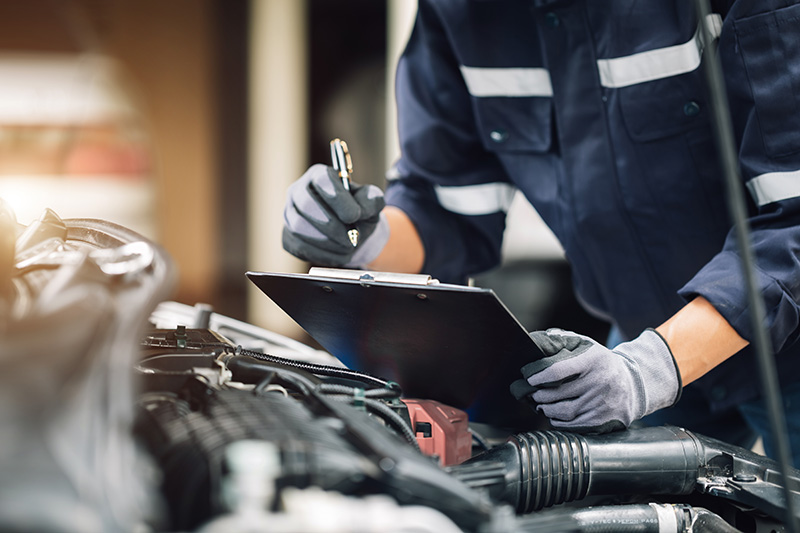
Cold weather places unique and sustained stress on a vehicle, and by the middle of winter, that stress has already had time to add up. Snow, road salt, repeated cold starts, and extended idling quietly wear on systems that may have been perfectly healthy in the fall. A mid-winter vehicle inspection is designed to catch those issues early, while they are still minor, affordable, and easy to correct. Rather than reacting to a breakdown or warning light later in the season, a proactive inspection helps keep your vehicle reliable, safe, and protected from avoidable repair costs.
Why Mid-Winter Is a Critical Point
Early winter preparation focuses on readiness, but mid-winter inspections focus on durability. By this point, fluids have cycled through multiple freeze-thaw conditions, suspension components have absorbed weeks of impact from rough roads, and corrosion has had time to begin forming in hidden areas.
This is also when small issues start to show symptoms. A battery weakened by cold cranking demands, a brake caliper beginning to seize from salt exposure, or a coolant mixture drifting out of range may not yet trigger a warning light. Left unchecked, those same issues can develop into no-start conditions, overheating problems, or premature component failure before spring arrives.
Battery Load and Charging System Testing
Cold temperatures significantly reduce battery output while simultaneously increasing the power required to start the engine. A mid-winter inspection includes proper battery testing under load, not just a voltage check. This helps identify internal resistance, weak cells, or marginal capacity that may not be obvious during mild weather.
The charging system is evaluated at the same time. Alternator output, belt condition, and electrical connections are checked to ensure the battery can recover after cold starts. Corroded terminals or loose grounds are common winter-related findings that can cause intermittent electrical faults if ignored.
Engine Fluids and Thermal Protection
Fluids are the lifeblood of winter reliability. A mid-winter inspection focuses on both condition and concentration.
Engine oil thickens in cold temperatures, and extended idling can lead to moisture buildup inside the crankcase. Technicians check oil condition and level to ensure proper lubrication and protection against internal wear.
Coolant is tested for freeze protection and corrosion inhibitors. Over time, dilution or degradation can reduce its ability to protect against freezing, overheating, and internal corrosion. Catching an out-of-range mixture mid-season can prevent cracked hoses, leaking radiators, or water pump damage.
Brake fluid is also inspected, as moisture contamination lowers its boiling point and increases the risk of corrosion inside brake components, particularly in winter driving conditions.
Brakes Under Winter Stress
Braking systems are especially vulnerable during winter. Salt and slush accelerate corrosion on calipers, slides, and backing plates. During a mid-winter inspection, technicians look for uneven pad wear, sticking calipers, seized hardware, and rotor surface issues.
Catching a partially seized caliper early can prevent overheating, warped rotors, and excessive pad wear. Addressing brake concerns mid-season also ensures consistent stopping performance when road conditions are least forgiving.
Suspension, Steering, and Alignment Checks
Potholes, ice buildup, and rough winter roads take a toll on suspension and steering components. A mid-winter inspection evaluates ball joints, tie rod ends, control arm bushings, struts, and shocks for play or leakage.
Alignment issues often appear after repeated impacts. Even minor misalignment increases tire wear and reduces stability on slippery surfaces. Identifying suspension wear early helps avoid uneven tire wear that can shorten the life of winter tires and compromise handling.
Tires, Wheels, and Pressure Monitoring Systems
Tire condition is more than tread depth. Mid-winter inspections include checking for irregular wear patterns, sidewall damage, and proper inflation relative to cold conditions. Tire pressure monitoring systems are also scanned for faults, sensor health, and correct operation following seasonal wheel changes.
Slow leaks caused by valve stem deterioration or corrosion at the wheel bead often reveal themselves mid-winter. Detecting and repairing these issues prevents repeated low-pressure warnings and protects the tire from internal damage.
Undercarriage and Corrosion Prevention
Road salt and moisture accumulate underneath the vehicle long before visible rust appears. A mid-winter inspection allows technicians to assess exposed metal surfaces, brake lines, fuel lines, exhaust components, and mounting points.
Early corrosion can often be cleaned, treated, or monitored before it compromises safety-critical components. Ignoring undercarriage conditions until spring can allow damage to progress beyond simple prevention measures.
Heating, Defrost, and Visibility Systems
Visibility and cabin comfort are safety features in winter. Inspections include verifying heater output, defroster performance, blower operation, and cabin air filter condition. Weak heat output may indicate coolant flow issues or thermostat problems that also affect engine efficiency.
Windshield washer systems are checked for proper spray pattern, fluid concentration, and hose condition. Frozen or partially blocked washer lines are common mid-winter complaints that can be addressed quickly during an inspection.
Preventative Maintenance Versus Reactive Repairs
The value of a mid-winter inspection lies in prevention. Identifying a weak battery before it fails, correcting a fluid imbalance before it causes damage, or servicing brakes before hardware seizes all translate into lower repair costs and fewer disruptions.
Winter driving already demands more attention from drivers. Knowing your vehicle has been professionally evaluated provides peace of mind and reduces the likelihood of unexpected repairs during the coldest months.
The Bottom Line
A mid-winter vehicle inspection is not about finding problems, but about protecting the systems that work hardest in cold conditions. Addressing wear, exposure, and early warning signs before they escalate helps extend component life, improve safety, and avoid costly repairs later in the season.
Click the button below to book a service appointment.
Please Note: The details of this article were accurate at the time it was written. Manufacturers may change the details of any vehicle’s specifications at any time without notice.
|