|
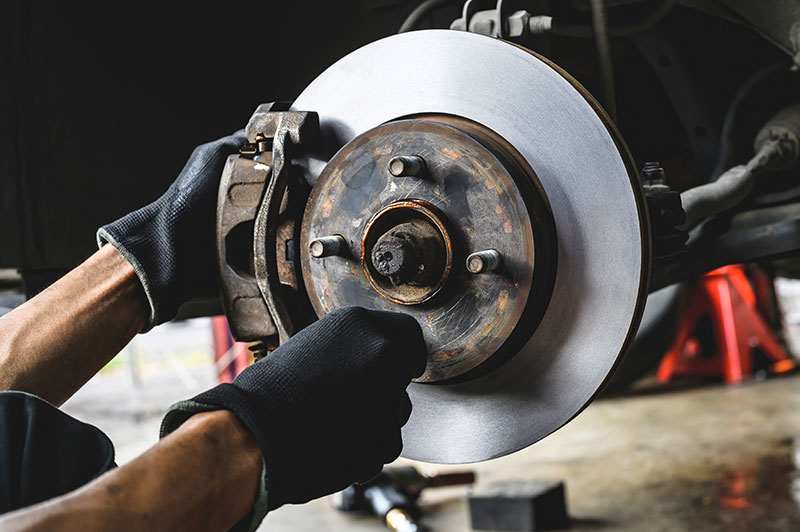
Your braking system works harder in winter than any other season. Slush, salt, moisture, and fluctuating temperatures all contribute to accelerated wear and corrosion. By the time spring arrives, many vehicles are overdue for a brake inspection without the driver realizing it.
Brakes are one of your vehicle’s most critical safety systems. A seasonal inspection helps ensure consistent stopping performance and prevents costly component damage.
How Winter Affects Brakes
Road salt and moisture create an aggressive environment for metal components. Brake rotors, calipers, and hardware are especially vulnerable.
Common winter-related brake issues include:
- Surface corrosion on rotors
- Sticking caliper slide pins
- Premature pad wear
- Reduced braking efficiency
- Increased noise and vibration
Frequent short trips can also prevent brakes from heating up enough to evaporate moisture, increasing corrosion risk.
Understanding Your Brake System
Most modern vehicles use disc brakes at all four wheels or discs in front with drums in the rear. Key components include:
Brake Pads
These friction materials press against the rotor to slow the vehicle. Over winter, grit and sand can accelerate wear.
Rotors
The metal discs attached to each wheel. Corrosion and uneven wear can lead to pulsation when braking.
Calipers
These house the brake pads and use hydraulic pressure to clamp the rotor. Salt can cause caliper pistons or slide pins to seize.
Brake Fluid
Hydraulic fluid transfers force from the pedal to the brakes. Over time, brake fluid absorbs moisture, reducing its boiling point and performance.
Signs Your Brakes Need Attention
Watch for these warning signs:
- Squealing or grinding noises
- Pulsation or vibration when braking
- Increased stopping distance
- Brake warning light on the dashboard
- Vehicle pulling to one side during braking
Even if no obvious symptoms are present, brake pad thickness should be checked at least once per year.
Rotor Condition and Resurfacing
Light surface rust is common after winter storage, but deep scoring or thickness variation requires attention. Rotors must meet minimum thickness specifications. Excessively thin rotors cannot safely dissipate heat and may warp under stress.
In many cases, replacing pads and rotors together ensures optimal braking performance and longevity.
Brake Fluid Health
Brake fluid is often overlooked. Because it is hygroscopic, meaning it absorbs moisture, it gradually degrades. Moisture lowers the fluid’s boiling point and can cause internal corrosion within the braking system.
A brake fluid flush every two to three years helps maintain consistent pedal feel and protects components.
The Importance of Spring Inspection
A comprehensive brake inspection includes:
- Measuring pad thickness
- Checking rotor condition and thickness
- Inspecting caliper operation
- Examining brake lines and hoses
- Testing brake fluid condition
- Ensuring parking brake functionality
Addressing issues early prevents metal-to-metal contact, which can dramatically increase repair costs.
Drive Into Spring with Confidence
Reliable braking performance is essential for every drive, whether commuting in the city or travelling on the highway. After months of winter exposure, your braking system deserves attention.
If you have noticed changes in braking feel or simply want to ensure your vehicle is ready for the season ahead, click the button below to book a service appointment.
|