|
Disposable products are convenient, but they do quietly create a lot of waste. Reusable swaps, on the other hand, offer a way to reduce waste and even save some money with little effort.
Are you looking to cut down a bit on household waste? Whether you’re interested in a more sustainable lifestyle, want to save some money, or are simply looking at more efficient alternatives, making reusable swaps for everyday disposable products is simple and doesn’t mean you have to overhaul your entire lifestyle. Many possible changes are small, affordable, and surprisingly easy to stick with once they become routine.
One of the best places to start using more reusable products is in the kitchen. For example, items like paper towels and napkins can be replaced with reusable towels and cloths with very little adjustment on your part. They are also easy to throw in with loads of laundry you would be doing anyway. Once you get used to reaching for cloth instead of paper, it quickly becomes second nature.
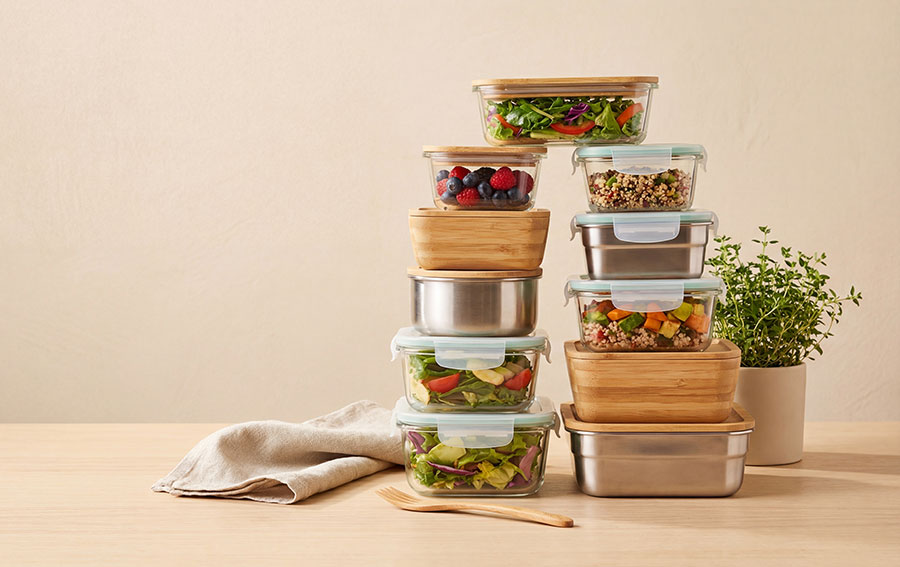
Food storage is another area that is quick and easy to overhaul. We often use single-use plastic wrap, sandwich bags, and aluminum foil out of habit rather than necessity. Some alternatives that you might find just as convenient, if not more so, include reusable containers, silicone storage bags, and washable wraps. These will allow you to store leftovers and pack lunches without worrying about restocking the drawer.
Disposable products are also incredibly common in the bathroom, from tissues and makeup wipes to products like cotton pads. In many cases, washable alternatives can work just as well. For example, reusable cotton rounds and soft cloths can be used for skincare, makeup removal, and personal care, then washed and reused. Many people even find they prefer the feel of fabric options after trying them.
Cleaning supplies are another area where reusables shine. Using washable cloths and refillable cleaners might not even take you anymore time and effort than paper and disposable products. Consider keeping a small collection of cloths dedicated to different tasks to help streamline cleaning. Over time, this approach often ends up being cheaper as well.
Reusable swaps can also be used for takeout. Plus, some places don’t automatically give out disposable utensils anymore unless you specifically ask for them, and you might find yourself forgetting. A travel mug and a set of reusable utensils can simply live in your bag or your car so they’re available when needed. Over time, you’ll significantly cut down on waste from coffee runs and casual meals on the go.
When embarking on your new reusable journey, it can help to focus on durability. Choosing well-made items designed to last helps avoid frequent replacements. You don’t want to just replace disposables with slightly more long-lasting disposables! Investing in higher-quality items will be worth it in the long run.
And remember that you don’t need to overhaul all your habits and routines at once. Rather than replacing every disposable item overnight, consider swapping one or two things at a time. This will allow new habits to form naturally and make changes feel more manageable.
You’re more likely to stick to reusable swaps that fit into your lifestyle instead of making daily life more complicated. By choosing alternatives that are practical and efficient for you, reducing everyday waste won’t seem like a chore.
|